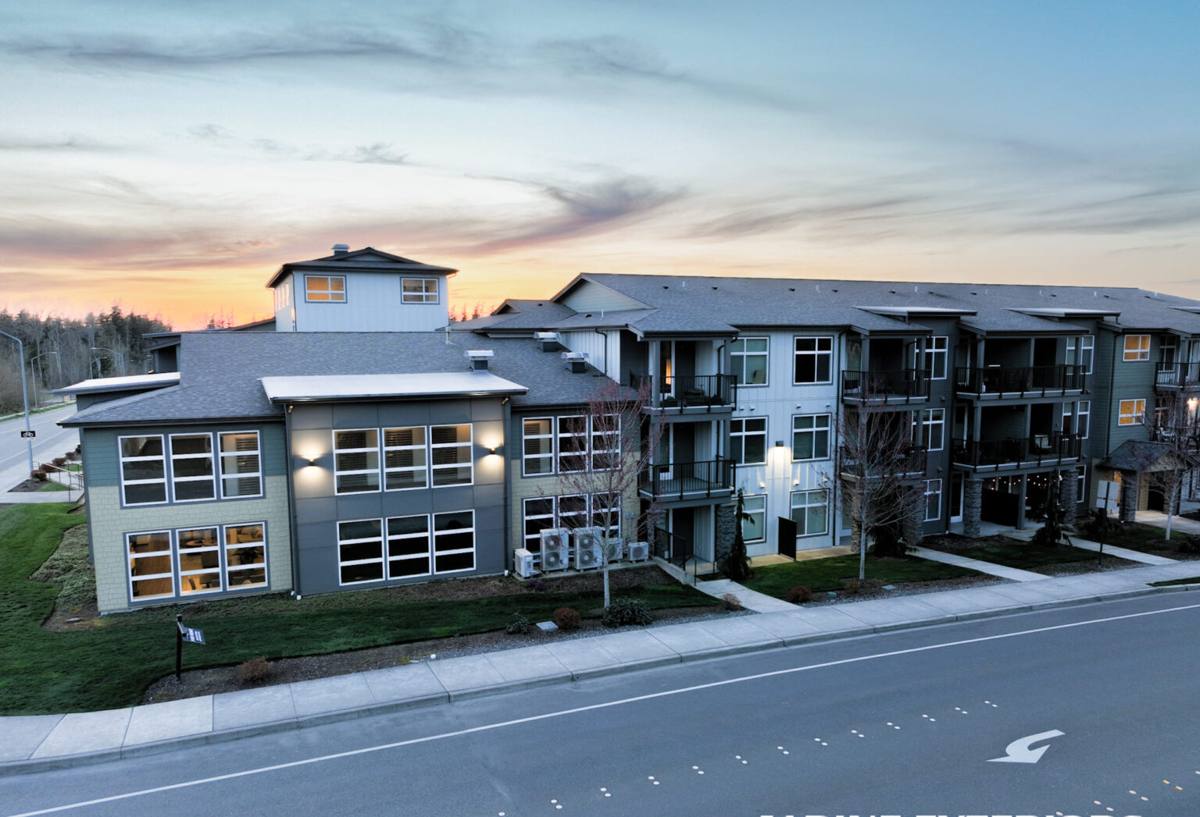
 Bellingham Exterior
 Roofing Built for York's Particular Climate
Homes in the York neighborhood sit close enough to Bellingham Bay and the broader Puget Sound air flow that roofs here take a different kind of beating than roofs twenty miles inland. It's not one dramatic storm that wears a roof out — it's the daily grind of salt-laden air working on metal fasteners and flashing, driving rain that hits shingles sideways during a southwesterly blow, and a moss season that can stretch from October clear through April in the shadier, tree-covered lots common in this part of Whatcom County. A roof that would hold up fine in a dry inland climate can fail early here if it wasn't designed and installed with those specific conditions in mind.
New roof installation isn't just picking a shingle color and nailing it down. It's a system — deck, underlayment, flashing, ventilation, and the surface material — and every piece of that system needs to account for what York's weather actually does to a house over the course of twenty or thirty years.
Signs a York Home Is Due for a New Roof
Roof replacement is rarely a surprise if you know what to watch for. Most homeowners in this area start looking into a new roof after noticing one or more of the following:
- Granules collecting in gutters or at downspout outlets — a sign shingles are wearing thin
- Dark streaking or thick moss growth on north-facing slopes and shaded valleys
- Curling, cracked, or missing shingles after a windy winter
- Soft spots in the decking felt when walking the roof, often from long-term moisture intrusion
- Rust staining around flashing, vents, or metal chimney caps
- Rising energy bills that point to failing attic ventilation or insulation gaps
- A roof that's simply reaching the end of its manufacturer-rated lifespan
Any one of these on its own might just mean a repair. Several together, especially on a roof already past 18-20 years old, usually means it's more cost-effective to replace than to keep patching.
What a Correct Installation Actually Involves
The Deck Underneath Everything
Before a single shingle goes down, the roof deck gets inspected. Any plywood or OSB that's delaminated, soft, or water-stained gets cut out and replaced — not covered over. Skipping this step is one of the most common shortcuts in the industry, and it's also the fastest way to end up with a roof that looks fine from the ground but fails from underneath within a few years.
Underlayment That Matches the Region
In a climate with as much sustained rain as Bellingham gets, underlayment choice matters more than it does in drier parts of the country. We use synthetic or self-adhered underlayment in vulnerable areas — eaves, valleys, and low-slope transitions — where wind-driven rain and ice can push water back up under standard shingle laps.
Flashing at Every Transition
Chimneys, skylights, sidewalls, and roof-to-wall transitions are where the vast majority of leaks actually start, not out in the open field of the roof. Correct flashing — step flashing, counter-flashing, and properly lapped valley metal — is what keeps driving rain from finding its way behind the siding or into the attic. Reused or reworked old flashing is one of the most common causes of early leaks we're called out to diagnose on older York homes.
Ventilation That Actually Balances
A roof needs balanced intake at the eaves and exhaust at the ridge to let moist air escape the attic. Without it, condensation builds up on the underside of the deck, which rots wood from the inside and encourages the same moss and algae growth you're trying to avoid on the outside. We check net free ventilation area against the attic's square footage, not just eyeball it.
Choosing the Right Roofing Material for York
There's no single "best" roofing material — the right choice depends on the home's slope, budget, and how much maintenance the homeowner wants to take on. Here's how the common options stack up for this specific climate:
| Material | How It Handles Salt Air & Rain | Moss Resistance | Typical Lifespan |
|---|---|---|---|
| Architectural asphalt shingles | Good with proper flashing and ventilation | Moderate — benefits from zinc/copper strips | 25-30 years |
| Standing seam metal | Excellent; sheds water fast, minimal maintenance | High — little surface for moss to grip | 40-50+ years |
| Synthetic composite shingles | Very good; resists moisture absorption | Good | 30-50 years |
| Wood shake | Requires diligent upkeep in wet climates | Low without regular treatment | 20-30 years with maintenance |
We don't push one product on every roof. A shaded, tree-covered lot with steep moss growth history is a different conversation than an open, sunnier slope — the honest answer changes based on the actual site conditions.
Our Installation Process, Step by Step
- On-site inspection and measurement — we walk the roof, check the deck condition, and note ventilation, flashing points, and any existing moisture damage.
- Written estimate with material options — a clear breakdown of what's included, not a vague lump-sum number.
- Tear-off and deck inspection — old material comes off completely so the deck can be evaluated and repaired where needed.
- Underlayment and flashing installation — matched to the specific vulnerabilities of that roof, not a one-size-fits-all approach.
- Roofing material installation — installed to manufacturer spec, which is what keeps the warranty valid.
- Ventilation verification — intake and exhaust checked and adjusted if the existing setup is undersized.
- Final walk-through and cleanup — including a magnetic sweep for stray nails and a review of the finished work with the homeowner.
Living With Moss and Salt Air Long-Term
A well-installed roof still needs a bit of ongoing attention in this climate. The goal is to catch small issues before they become deck-level problems. A simple annual routine goes a long way:
- Keep gutters and downspouts clear so water isn't backing up under the eaves
- Trim back overhanging branches to reduce shade and organic debris on shaded slopes
- Have moss physically removed rather than pressure-washed, which can strip granules and shorten shingle life
- Check exposed metal fasteners and flashing periodically for early rust, especially closer to the water
- Schedule a quick roof check after any unusually high wind event
None of this replaces a properly installed roof — it just protects the investment once it's in.
Why the Local Track Record Matters
Roofing crews that work all over the state, or that fly in from out of the area for a single job, don't always understand how differently a roof needs to be built two miles from the water compared to further inland. A crew that regularly works in and around York already knows which slopes tend to hold moss the longest, which older homes in this pocket of Bellingham commonly have undersized attic ventilation, and how the prevailing rain direction off the bay tends to find weak flashing. That local familiarity shows up in fewer callbacks and a roof that's actually built for the conditions it will face, not just built to a generic spec sheet.
It also matters for accountability. A local crew is still around next year, and the year after, if something needs a look — not a phone number that changes or a company that's moved on to the next region.
What a New Roof Typically Costs
Exact pricing depends on roof size, pitch, material choice, and how much deck repair is needed once the old roofing comes off — we won't guess a number without seeing the roof. In general terms, the biggest cost swings come down to a few factors:
| Factor | Why It Moves the Price |
|---|---|
| Roof pitch and access | Steeper or harder-to-access roofs take longer and require more safety setup |
| Layers of old roofing | Multiple tear-off layers add labor and disposal cost |
| Deck condition | Rotted or delaminated sheathing needs replacement before new material goes down |
| Material selection | Asphalt, synthetic, and metal roofing carry different material and labor costs |
| Flashing and ventilation upgrades | Bringing older transitions and attic ventilation up to current standards |
We provide a written, itemized estimate so you know exactly what you're paying for and why, before any work begins.
Ready to Talk About Your Roof
If you're seeing granule loss, moss buildup, or just know your roof is getting close to the end of its life, it's worth getting an honest, no-pressure look before a small issue turns into a deck repair. Use the form below to request a free estimate, and we'll walk your roof, answer your questions, and give you a clear picture of what your home actually needs.