 Bellingham Exterior
 Roofing in Puget: A Climate That Doesn't Forgive Shortcuts
Homes in the Puget area of Bellingham sit close enough to the water that salt-laden air is a daily fact of life, not an occasional nuisance. Add in Whatcom County's long stretch of driving rain from fall through spring, plus a moss season that can run nine months or more under the tree cover common to this part of town, and you have a roofing environment that punishes anything installed halfway. A roof that would hold up fine in a dry inland climate can fail early here if the underlayment, flashing, and ventilation weren't done with this specific combination of moisture and salt exposure in mind.
This page is about one job, done right, in one place: new roof installation for homes in Puget. Not a general overview of roofing services, but the specific things that matter when the roof over your head has to deal with what this neighborhood actually throws at it.
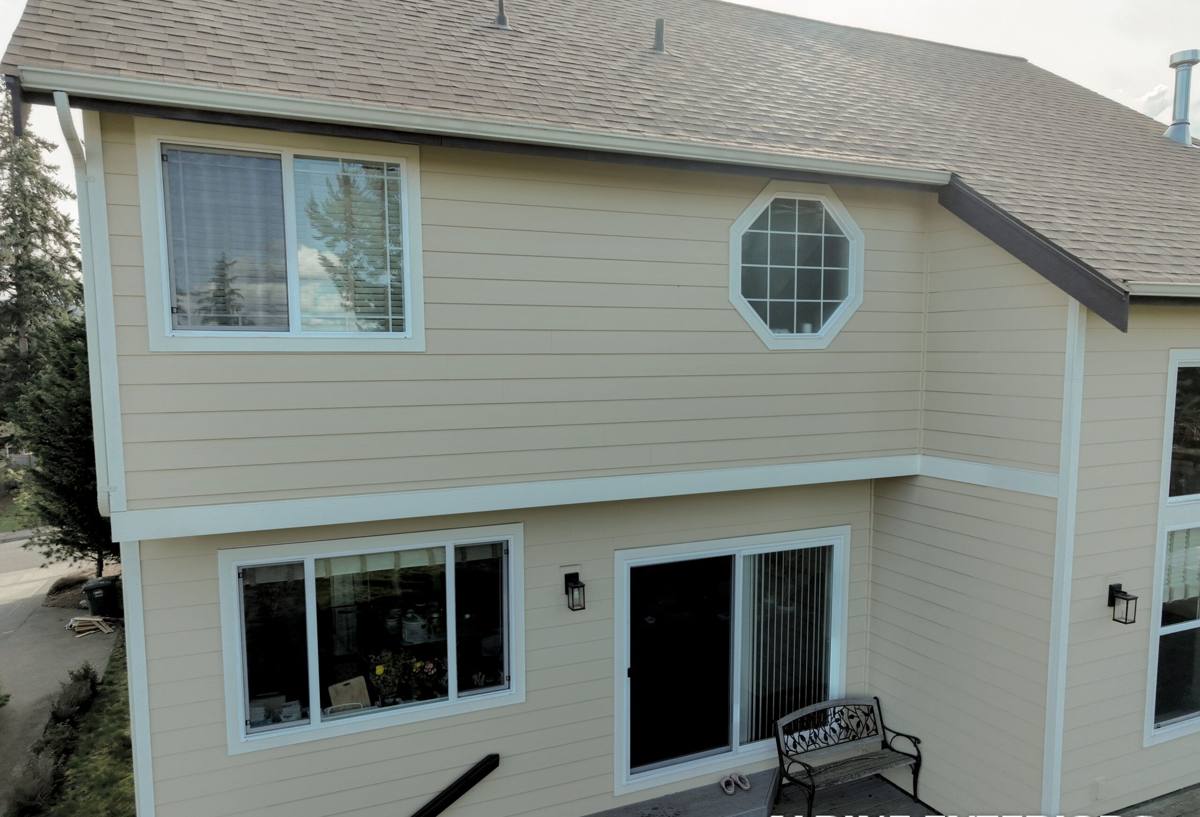
What Salt Air, Rain, and Moss Actually Do to a Roof
Salt Air
Airborne salt accelerates corrosion on anything metal — nails, flashing, vent stacks, and fasteners. Standard electro-galvanized fasteners can start showing rust streaks and weakening well before a properly rated corrosion-resistant fastener would. This isn't a dramatic failure; it's a slow one, showing up as staining first and loosened components later.
Driving Rain
Rain that comes in sideways off the water finds every weak point in a roof system — not just the shingles themselves, but the transitions: where a roof meets a wall, where a chimney or skylight breaks the roof plane, and at valleys where two roof sections meet. Wind-driven rain can work its way under shingles that are correctly nailed but under-lapped, or through flashing that was caulked instead of properly integrated into the roofing layers.
Moss
Moss needs shade, moisture, and organic debris to establish itself, and a lot of Puget's tree-lined lots provide all three for most of the year. Moss holds water against the roof surface long after the rest of the neighborhood has dried out, which shortens the life of organic-mat shingles and can lift shingle edges enough to let wind and rain underneath. It also tends to collect first in north-facing sections and areas shaded by overhanging limbs, so those areas age faster than the rest of the roof if nothing is done differently there.
What a Correct Roof Installation Includes
A new roof is really a system of layers, and each one has a job. Skipping or shortcutting any layer is where most premature roof failures we get called out to trace back to.
- Deck inspection and repair: Before anything goes down, the plywood or plank decking underneath gets checked for soft spots, delamination, or rot — common where old moss growth or a slow leak has been sitting unnoticed.
- Ice-and-water shield at vulnerable areas: Self-adhered waterproof membrane at eaves, valleys, and around penetrations, giving a second line of defense exactly where wind-driven rain is most likely to get past the shingles.
- Synthetic underlayment across the field: A water-resistive layer over the rest of the deck that outperforms old felt paper in wet-climate durability and won't tear as easily during install in damp conditions, which happens often here.
- Corrosion-resistant fasteners and flashing: Given the salt exposure this close to the water, we don't treat this as optional upgrade — it's the baseline for a roof meant to last in Puget.
- Properly integrated step and counter flashing: Woven into the roofing layers at walls, chimneys, and dormers rather than surface-caulked, which is the difference between a flashing detail that lasts decades and one that fails in a few years.
- Balanced attic ventilation: Intake at the eaves and exhaust at the ridge, sized to match the attic's square footage, so moisture doesn't get trapped underneath the new roof from the inside.
Choosing a Roofing Material for This Environment
There's no single "best" roofing material for every home — the right choice depends on your roof's pitch, your budget, how long you plan to stay in the home, and how much maintenance you're willing to do. Here's how the common options actually compare under Puget's specific mix of salt air, rain, and moss pressure.
| Material | How It Handles Rain | Moss Resistance | Salt Air Durability | Typical Lifespan |
|---|---|---|---|---|
| Architectural asphalt shingle | Very good with correct underlayment | Moderate — benefits from zinc/copper strips | Good with corrosion-resistant fasteners | 25–30 years |
| Standing seam metal | Excellent — sheds water fast, minimal seams | High — sheds moss with roof pitch and slick surface | Very good with coastal-rated coatings | 40–50+ years |
| Synthetic/composite shake | Very good | Moderate to good | Good | 30–40 years |
| Cedar shake (natural wood) | Fair — absorbs and releases moisture | Low without regular maintenance | Fair — needs more upkeep near salt air | 20–25 years with upkeep |
We're upfront about the trade-offs of each. Cedar shake has real curb appeal, but its natural moisture absorption means it demands more consistent maintenance in a climate this wet, and it's more susceptible to moss taking hold if it isn't kept clean. Metal roofing carries a higher upfront cost but the lowest long-term maintenance burden for a home exposed to salt air and heavy moss pressure. Architectural asphalt shingle remains the most common choice because it balances upfront cost, appearance, and durability well when it's installed with the corrosion-resistant hardware and proper moss-prevention strips this area calls for.
Moss and Moisture Control Built Into the Install
Moss prevention works best when it's designed into the roof from day one rather than treated as an annual chore afterward. A few things we build into every Puget installation:
- Zinc or copper strips installed near the ridge on shingle roofs, which release trace metal ions with each rain that inhibit moss and algae growth down the roof plane over time.
- Attention to roof pitch and drainage paths so water isn't lingering in low spots where moss and debris tend to establish first.
- Proper flashing and gutter integration so runoff moves off the roof and away from the structure instead of backing up at valleys or behind gutters clogged with fir needles and leaf litter, which is a common contributor to shaded-area moss growth here.
- Ventilation sized to keep the underside of the roof deck dry, since a damp deck from the inside speeds up moss and mildew growth on the surface just as much as rain does from the outside.
Our Installation Process
Every roof is a little different, but the sequence we follow on a Puget reroof stays consistent because each step protects the next one:
- On-site assessment: We walk the roof and attic, check deck condition, note problem areas (shaded moss zones, existing flashing issues, ventilation gaps), and measure for materials.
- Written estimate: A clear scope covering tear-off, materials, underlayment system, flashing details, and disposal — no vague allowances.
- Permitting: Whatcom County and City of Bellingham permitting requirements are handled before work starts, not treated as an afterthought.
- Tear-off and deck inspection: Old roofing is fully removed so the deck can actually be inspected and repaired, rather than covering over unknown problems.
- Underlayment and waterproofing layers: Ice-and-water shield at eaves and valleys, synthetic underlayment across the field.
- Flashing installation: Step, counter, and valley flashing integrated properly at every wall, chimney, and penetration.
- Roofing material installation: Installed to manufacturer specification for nailing pattern, exposure, and fastener type — the details that actually determine wind and wind-driven-rain performance.
- Ventilation and moss-prevention details: Ridge and soffit vents balanced, zinc/copper strips installed where applicable.
- Cleanup and final walkthrough: Magnetic sweep for stray nails, debris hauled off, and a walkthrough so you know what was done and what to watch for.
What Drives the Cost of a New Roof
We don't publish flat pricing because roof cost genuinely depends on the specifics of your home, but these are the factors that move the number most:
| Factor | Why It Matters |
|---|---|
| Roof size and pitch | Steeper roofs take longer to work safely and use more material per square foot of coverage. |
| Number of layers to remove | Tear-off of multiple existing layers adds labor and disposal cost versus a single-layer tear-off. |
| Deck condition | Rotted or delaminated decking found during tear-off needs repair or replacement before new roofing goes down. |
| Material choice | Asphalt shingle, synthetic, and metal carry different material and labor costs, as shown above. |
| Flashing and penetration complexity | Chimneys, skylights, and multiple roof planes all add flashing detail work. |
| Ventilation upgrades | Adding or correcting ridge and soffit ventilation is often worth doing at reroof time rather than later. |
Get a written estimate that breaks these out rather than a single lump number — it's the only way to compare quotes on an apples-to-apples basis and know what you're actually paying for.
Timing a Reroof Around Puget's Weather
Roofing can be done here for most of the year, but there are real weather realities worth planning around. Wet decking is harder to work safely and can trap moisture under new underlayment if it isn't allowed to dry first. We watch forecasts closely and sequence tear-off and dry-in so a section of roof is never left exposed longer than necessary, but scheduling around Whatcom County's rainier stretches — and being flexible if a weather window shifts — is part of doing this job responsibly rather than rushing to hit a date regardless of conditions.
Maintenance After Installation
A correctly installed roof still benefits from basic upkeep, especially in a moss- and rain-heavy climate. A simple maintenance checklist we walk every homeowner through:
- Clear gutters and valleys of needle and leaf debris at least twice a year, more often under heavy tree cover.
- Watch shaded, north-facing roof sections for early moss growth and address it before it spreads.
- Trim back overhanging branches to reduce shade and debris buildup on the roof surface.
- Have flashing and penetrations visually checked after major windstorms.
- Schedule a periodic roof inspection rather than waiting for a visible leak — most roof problems are cheaper to fix caught early.
Why a Crew That Already Works Puget Matters
Roofing knowledge that's specific to this area isn't something you get from a general contractor working here occasionally. A crew that regularly works Puget and the surrounding Bellingham neighborhoods knows which roof orientations tend toward moss first, which fastener and flashing specs actually hold up against this much salt air over time, and how to sequence a tear-off around a Pacific Northwest weather window without cutting corners on dry-in. That familiarity shows up in fewer callbacks and a roof that performs the way it's supposed to for its full expected lifespan, not just for the first few dry summers.
If you're planning a new roof for your Puget home, we're happy to walk the roof with you, explain what we see, and put together a straightforward written estimate — no pressure, no sales script. Use the form below to request your free estimate.