 Bellingham Exterior
 Deck Repair Built for Sehome's Conditions
Sehome sits close enough to the water and to mature tree cover that its decks take on a specific combination of problems: damp air off Bellingham Bay, shade from established landscaping that keeps surfaces wet longer, and the kind of driving rain that finds every gap in flashing and fastener holes. A deck in this neighborhood ages differently than one in a drier inland part of Whatcom County, and repairing it correctly means understanding that difference rather than treating every deck the same way.
We work on decks throughout Bellingham, and Sehome's mix of older homes near Western Washington University and newer infill construction gives us a good cross-section of what actually fails here. This page walks through what we see, what a correct repair involves, and how we approach the work.
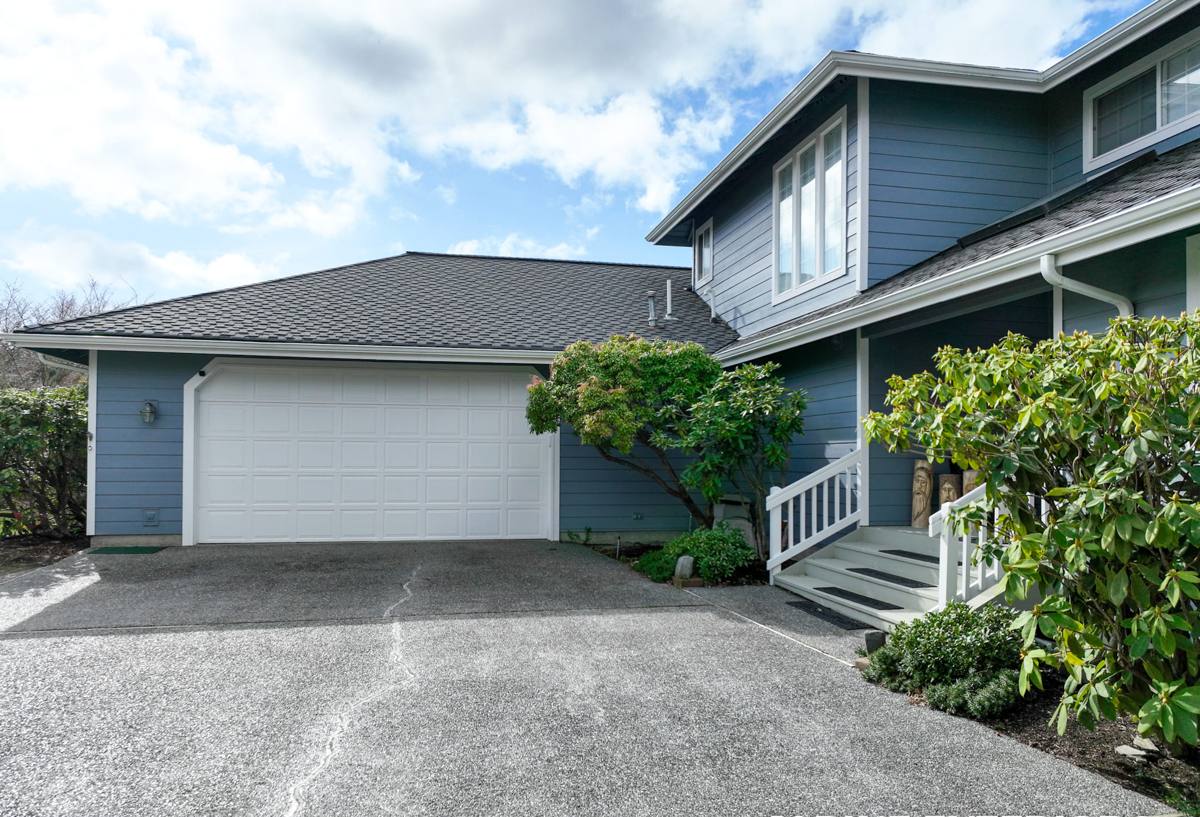
Why Decks in This Area Wear the Way They Do
Three conditions do most of the damage to decks in Sehome and the surrounding Bellingham area:
- Salt-tinged air: Proximity to the bay means airborne moisture carries trace salt, which accelerates corrosion on fasteners, joist hangers, and any exposed metal hardware faster than a purely inland environment would.
- Driving rain: Storms here often come in sideways rather than straight down, which pushes water under ledger boards, behind rim joists, and into any seam that isn't properly flashed.
- A long moss season: Mild, wet winters and shaded lots let moss and algae establish on deck boards and structural framing for much of the year, holding moisture against wood surfaces far longer than sun and wind would allow it to dry.
None of these are dramatic events — no single storm destroys a deck. It's the accumulation over several wet seasons that turns small issues into structural ones, which is why a deck that "looks fine" from the top can still have real problems underneath.
Common Deck Problems We Find in Sehome
Ledger Board and Rim Joist Rot
The ledger board — where the deck attaches to the house — is the single most important connection on most decks, and it's also the most common failure point in this climate. Poor flashing, or flashing that was never installed correctly to begin with, lets water track behind the ledger and sit against the framing. By the time it shows on the surface, the wood underneath is often already soft.
Fastener and Hardware Corrosion
Nails, screws, and joist hangers rated for general use corrode faster here than they would in a drier region. We regularly find rusted-through hangers, popped nails, and fasteners that have lost their grip because the metal itself has degraded, not because the wood failed first.
Moss and Algae Buildup on Surfaces and Framing
Moss doesn't just make a deck slippery — it holds moisture against the board surface continuously, which speeds up wood decay underneath a layer that looks merely cosmetic. Shaded decks under mature trees, common in older Sehome lots, are especially prone to this.
Guard and Stair Railing Movement
Railing posts anchored with inadequate blocking or corroded lag bolts loosen over time. This is a safety issue as much as a durability one, and it's one of the most common reasons we get called out for an inspection that turns into a full repair.
Board Cupping, Splitting, and Fastener Popping
Repeated wet-dry cycles cause deck boards to cup and split, and popped fastener heads become trip hazards. On composite decking, this shows up differently — as surface delamination or fastener pull-through rather than splitting — but the underlying cause is the same repeated moisture cycling.
What a Correct Repair Actually Involves
A repair that only addresses what's visible from above tends to fail again within a season or two. Our approach starts from the structure and works outward:
- Structural inspection first. We check the ledger connection, joists, beams, and posts before touching surface boards, because surface repairs on a compromised structure are wasted labor.
- Probe for hidden rot. Visual inspection alone misses subsurface decay. We probe suspect areas — especially around the ledger, post bases, and anywhere moss has been established — to find soft wood before it becomes a collapse risk.
- Correct the water path, not just the symptom. If flashing is missing or installed wrong, we fix that as part of the repair. Replacing rotted boards without correcting the flashing that caused the rot just resets the clock on the same failure.
- Match or upgrade hardware to the environment. Given the corrosion pressure from salt air, we use fasteners and connectors rated for the exposure the deck actually sees, not just whatever meets minimum code in a drier climate.
- Address moss and drainage before closing up the work. A repair that doesn't improve drainage or reduce moss-holding conditions is treating a symptom, not the cause.
Repair vs. Replacement: How We Make the Call
Not every deck problem needs a full rebuild, and not every deck is worth patching. We walk homeowners through the honest tradeoffs rather than defaulting to the most expensive option.
| Factor | Favors Repair | Favors Replacement |
|---|---|---|
| Structural framing condition | Solid joists and posts, isolated soft spots | Widespread rot in joists, beams, or posts |
| Ledger connection | Sound, properly flashed | Compromised or never flashed correctly |
| Age of decking surface | Under 10-12 years, isolated board damage | Original decking near or past typical service life |
| Extent of moss/moisture damage | Limited to a few boards or a shaded section | Consistent decay across most of the deck |
| Code compliance of railings/stairs | Meets current requirements, minor tightening needed | Undersized posts, missing blocking, non-compliant spacing |
Broadly speaking, straightforward board and railing repairs on a structurally sound deck run in the low hundreds to a couple thousand dollars depending on scope, while ledger or framing repairs that require partial rebuilding cost more because of the labor involved in opening up and correctly reflashing the connection. We give a firm number after inspection — not a phone estimate — because the difference between a surface repair and a structural one is only visible once we're actually looking at the framing.
Our Process for a Sehome Deck Repair
We keep the process the same regardless of scope, because skipping steps is how repeat failures happen:
- On-site inspection covering the ledger, framing, posts, railings, and surface decking
- Probing of any area showing discoloration, softness, or moss buildup
- Written scope explaining what's failing and why, in plain language
- Firm estimate before any work begins, with repair and replacement options laid out separately if both are viable
- Repair work sequenced from structure outward — framing and flashing corrected before surface finishes
- Final walkthrough so the homeowner sees exactly what was done and why
Maintenance That Actually Extends Deck Life Here
A repair is only as good as the maintenance that follows it, especially with a moss season as long as Whatcom County's. A few habits make a real difference:
- Clear leaves and debris from between boards before fall rains set in, so water has a path to drain instead of pooling
- Treat moss growth early in the season rather than letting it establish over winter
- Check the ledger flashing and any visible fastener heads once a year for early signs of corrosion or gaps
- Keep gutters and downspouts near the deck clear, since overflow is a common hidden source of ledger-area water damage
- Re-seal or re-stain wood decking on the schedule the product actually calls for, not just when it looks faded
None of this eliminates the need for periodic professional inspection, but it slows the wear that driving rain and salt air cause between visits.
Why Local Experience with Sehome Decks Matters
A contractor who works this specific corner of Bellingham regularly knows which failure patterns to check first — the ledger flashing on homes of a certain age, the shaded lots where moss holds moisture longest, the hardware that corrodes faster this close to the bay. That familiarity means a faster, more accurate inspection and fewer surprises once repair work is underway. It also means we're not guessing at how Whatcom County's wet-season conditions will treat a repair after we leave — we've seen how similar repairs held up on similar decks nearby.
If you're noticing soft spots, loose railings, persistent moss, or just want an honest read on how much life is left in your deck, we're glad to take a look. Estimates are free and there's no pressure to move forward — fill out the form below and we'll set up a time to come inspect it.